|
|
|
|
|
|
More than 20 million children annually, alone in Europe, are subject to acute pain at hospitals or ambulances from accidents, incidents or from medical procedures which require some form of pain management. Today, there is a lack of options for children which result in very low treatment rates, and treatment rates are much lower for children compared to adults – several studies have found that treatment rates are low, as low as 30-40%.
|
|
Below is a short update and reminder for why Cessatech will make a significant impact...
|
|
|
|
Large unmet need
|
|
|
|
|
Paediatric patients least likely to receive analgesics...
|
|
|
|
According to Whitley et al. (2020), analgesic administration rates for pre-hospital children suffering from acute pain have been low. Overall, the systematic review clearly identifies major gaps and unmet needs in providing effective pain management to children across different groups and settings. The authors highlight this as an area requiring priority attention.
|
|
|
|
|
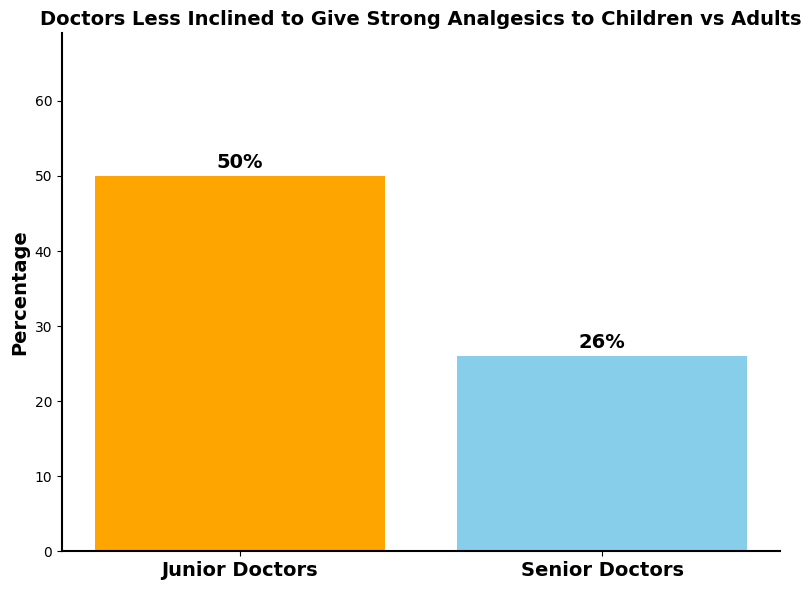
These findings are in line with a new study from Denmark (Krusenstjerna-Hafstrøm et al., 2023), which found that 50% of the junior doctors and 26% of the senior would be less inclined to use strong analgesics for children. Senior doctors were thus significantly more inclined to give children opioids than junior doctors and concluded that an awareness of the under treatment of children in pain be brought to the doctors’ and clinical staff’s attention.
|
|
|
|
|
|
|
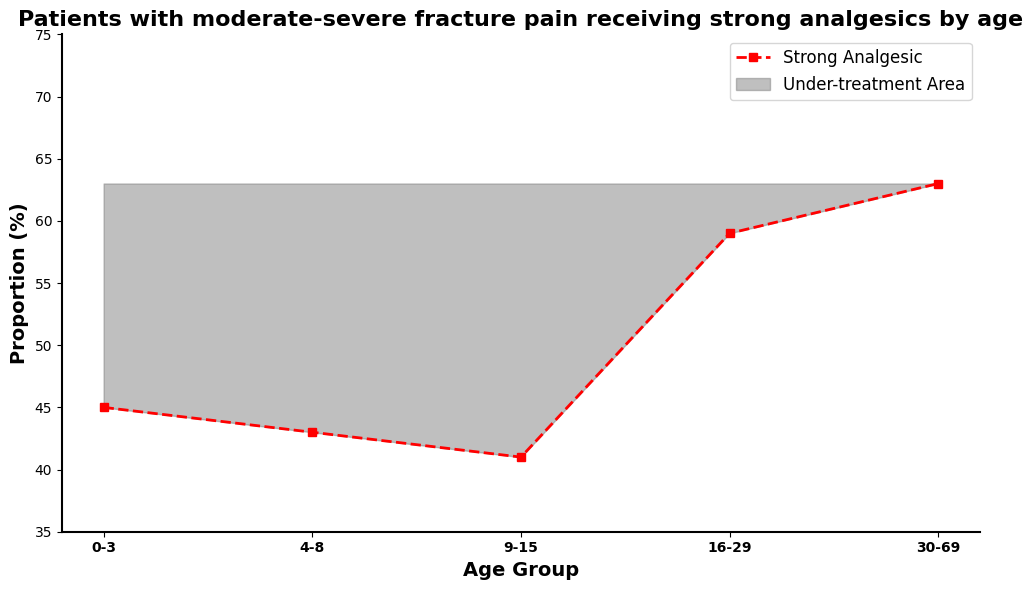
Undertreatment of pain in children have been a recurrent theme for the last many decades and data from Brown et al. (2003) clearly shows that children are significantly less likely to receive appropriate pain relief even after the child have documented moderate to severe fracture pain, see figure below. The conclusion by the authors were that in paediatric patients, pain medications were frequently not part of ED treatment for fractures, even for visits with documented moderate or severe pain. Pain severity scores were often not recorded. Paediatric patients were least likely to receive analgesics, especially strong analgesics.
|
|
|
|
|
|
|
Finally, an even lower percentage of children, only 28.3%, were reported by Stevens et al. (2011) to receive one or more pain management interventions administered and documented specifically for painful procedures.
|
|
|
|
|
|
High level of physical restraint...up to 79%
|
|
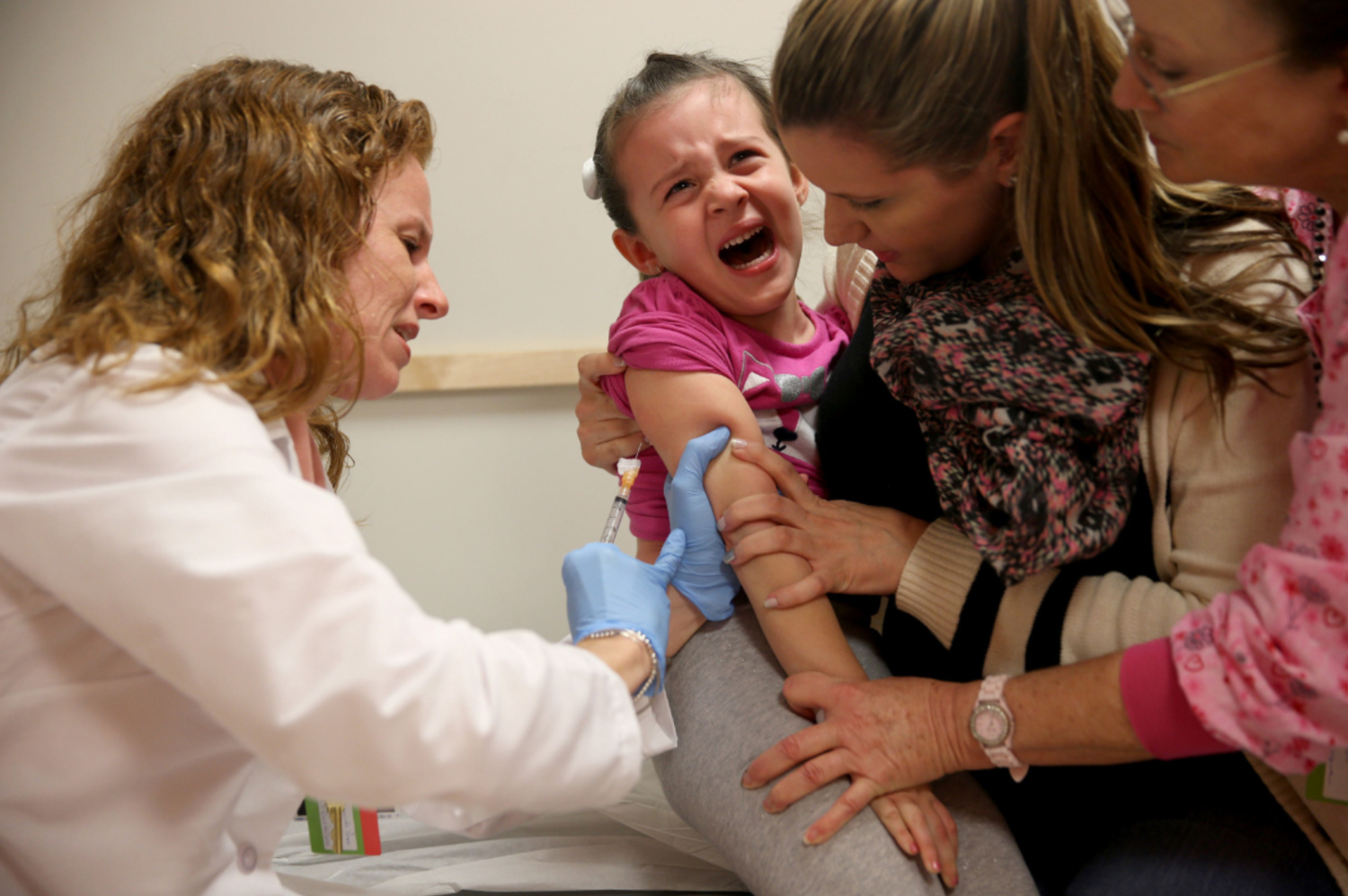
Physical restraint of children during painful procedures is used in the majority of Scandinavian emergency departments. There appears to be a lack of local guidelines for both pain treatment and sedation. Physical restraint was reported used at 79% of the surveyed departments (DK: 96%, NO: 67%, SE: 77%) with two participants reporting daily use of physical restraint. Lauridsen et al. (2021)
|
|
|
|
|
|
According to Whitley et al. (2020) many clinicians hinted that the intranasal route was a promising alternative to overcome the current barriers of analgesic administration (Holmstrom et al., 2019; Murphy et al., 2014). The paper reports that the adjusted odds ratio of achieving effective pain reduction in children using intranasal pain medication was 2.33
|
|
|
|
|
|
|
|
FOR PAIN TREATMENT OF CHILDREN.
|
|
|
Cessatech aims to meet that need – and the first product and lead asset, CT001, is a nasal spray for children aged 1-17 years that experience acute pain or pain related to medical procedures.
|
|
|
Drugs that are developed by Cessatech should be proven effective in adults and represent a medical unmet need in children where a good effect can be documented. Thus offering economic value creation by identifying and developing drugs with a short time to market and risk-reduced profile.
|
|
|
|
|
|